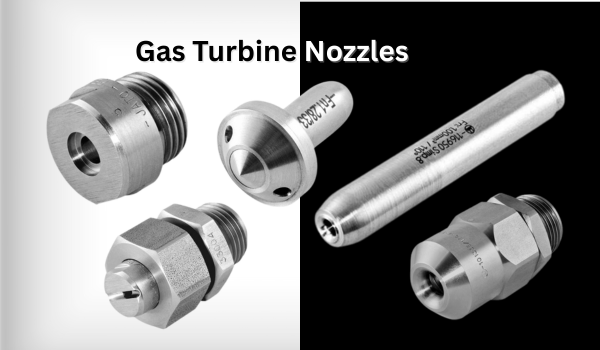
One of the critical parts of a gas turbine is the nozzle, which plays a vital role in the efficient functioning of a turbine. Failure to maintain and repair nozzles can lead to an increase in overall costs and a decrease in gas turbine performance. Improperly balanced fuel nozzles can also impact major components such as the rotor, buckets, blades, and vanes.
Types of Nozzles
Gas turbine nozzles are designed to direct and accelerate the high-temperature gases from the combustion process onto the turbine blades. In a gas turbine, the maximum temperature of the hot gases exiting the combustor is limited by the tolerance of the turbine nozzles. Depending on their role and construction, there are several types of nozzles, including:
a. Fixed Nozzles (Stationary Nozzles)
Fixed nozzles are the most common type of nozzle used in gas turbines. These nozzles are stationary and designed to direct the flow of exhaust gases in a specific direction. They control the flow’s shape and velocity and are integral to ensuring efficient turbine operation.
Structure: Fixed nozzles are usually made of high-temperature-resistant alloys and are designed to withstand the harsh conditions of high pressure and temperature.
Application: They are primarily used in both aviation and power plant gas turbines.
b. Variable Nozzles (Variable Fan Nozzles)
Variable nozzles are commonly used in aircraft gas turbines, where they adjust the flow of exhaust gases based on engine performance. These nozzles are capable of changing their geometry, such as the width or angle of the nozzle opening, allowing for better control over exhaust flow.
Structure: These nozzles contain adjustable vanes or flaps controlled by hydraulic actuators or mechanical linkages.
Application: These are most commonly used in high-performance jet engines, such as those in commercial aircraft and military jets.
c. Annular Nozzles
Annular nozzles are less common and have a ring-like shape around the turbine. These nozzles direct the exhaust flow in a continuous annular stream, providing uniform acceleration of gases around the entire circumference of the turbine.
Structure: These nozzles are typically used in larger turbines, especially in stationary power generation units.
Application: Annular nozzles are often used in high-powered gas turbines for electricity generation and large-scale industrial applications.
Nozzle Function
The primary function of gas turbine nozzles is to convert the thermal energy of the exhaust gases into kinetic energy. This is accomplished by increasing the velocity of the gases before they enter the turbine rotor blades, where the kinetic energy is then converted into mechanical energy.
Control Flow and Velocity: The nozzle ensures the flow of exhaust gases is directed in the most efficient way, optimizing the speed and pressure of the gases to ensure maximum performance of the turbine blades.
Energy Conversion: By accelerating the gas flow, nozzles help increase the mechanical energy extracted by the turbine blades, which is essential for driving the generator.
Cooling and Protection: In some designs, nozzles help cool the turbine blades by directing cooler air or gases toward sensitive areas, preventing overheating.
Lifespan of Gas Turbine Nozzles
The lifespan of a gas turbine nozzle depends on several factors, including the materials used, operating conditions, and maintenance practices followed. Generally, gas turbine nozzles are designed to last anywhere between 10,000 and 30,000 operating hours, but this can vary significantly based on the turbine’s use and environment.
Material: High-performance nozzles are typically made from superalloys or ceramic composites, which have excellent resistance to heat and corrosion. These materials are crucial for extending nozzle life under extreme temperatures and pressures.
Operating Conditions: The lifespan of a nozzle can be shortened by factors such as frequent high-temperature operation, harsh environmental conditions, or poor-quality fuels.
Maintenance: Regular inspections and proper maintenance can significantly extend the life of a nozzle. Well-maintained gas turbines that have regular cleanings, lubrication, and inspection tend to have longer-lasting components.
When to Replace Nozzles
Gas turbine nozzles undergo significant wear and tear during operation. The combination of extreme heat, pressure, and mechanical stresses can lead to degradation over time. The following signs indicate it might be time to replace the nozzles:
a. Physical Damage
Cracks or Deformation: Excessive thermal stresses or mechanical vibrations can cause cracks or deformations in the nozzle. Once a nozzle shows signs of cracks, it is no longer effective and needs to be replaced to avoid potential failure.
Erosion: Abrasive particles in the fuel or air supply can cause erosion on the nozzle surface, reducing its ability to effectively accelerate exhaust gases. Severe erosion can be a sign that the nozzle needs replacing.
b. Performance Degradation
Reduced Efficiency: If the turbine begins to show signs of reduced power output or efficiency, this may be due to nozzle malfunction. Poor nozzle performance can disrupt the gas flow, which in turn reduces the turbine’s efficiency.
Uneven Gas Flow: A nozzle that is no longer functioning properly may cause uneven exhaust flow, which can result in uneven wear on turbine blades and reduced overall performance.
c. Excessive Wear
As the nozzle ages, the material it is made from may experience fatigue, especially if the turbine operates in harsh conditions. This leads to the gradual breakdown of the nozzle’s structural integrity. Monitoring wear through regular inspections and performance tests is critical to understanding when a replacement is needed.
d. Corrosion or Fouling
Corrosion or fouling (buildup of contaminants) can impede the nozzle’s function, especially if the turbine is operating in environments with high levels of moisture, salt, or contaminants in the fuel. A corroded or fouled nozzle will not provide the necessary gas flow and may cause additional damage to other parts of the turbine.
Conclusion
Gas turbine nozzles are essential components for the efficient operation of gas turbines, helping to convert thermal energy into mechanical energy. The lifespan of nozzles is influenced by factors such as material, operational conditions, and maintenance. Regular inspections are crucial for identifying physical damage, erosion, or performance degradation, which are key indicators that it is time to replace the nozzles.
Replacing gas turbine nozzles at the right time ensures that the turbine continues to operate efficiently and safely, minimizing the risk of catastrophic failure and optimizing performance throughout its service life.